

Blog
Introduction
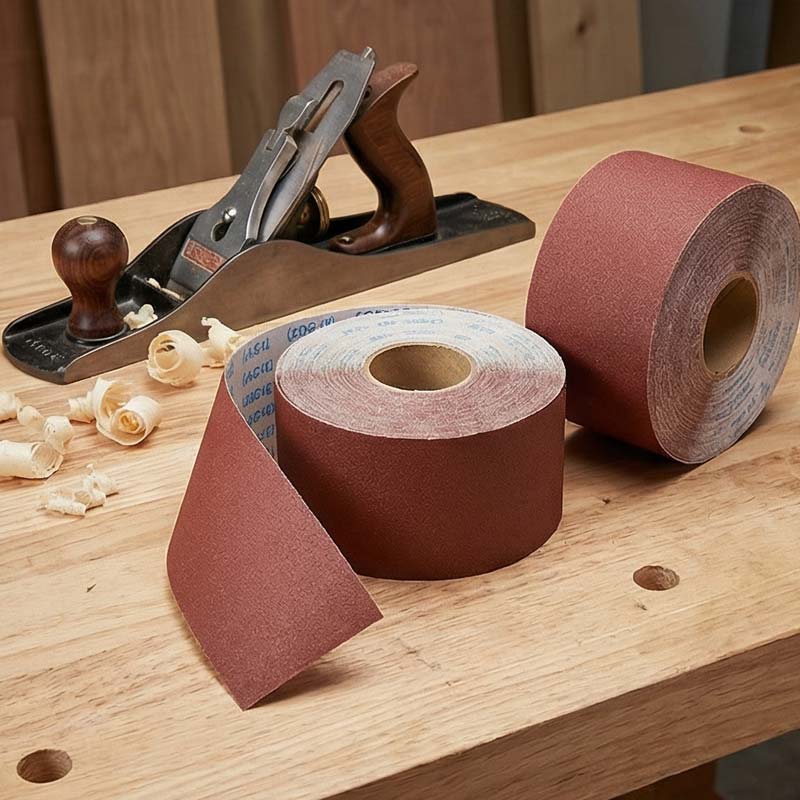
When people talk about sanding, most of the frustration they experience doesn’t come from the tool — it comes from choosing the wrong sandpaper. Understanding sandpaper grit is the single most important factor in achieving a smooth, clean, professional finish. Whether you’re restoring old furniture, preparing metal for paint, or simply working on a home DIY project, selecting the correct grit will save time, reduce material waste, and dramatically improve the final result.
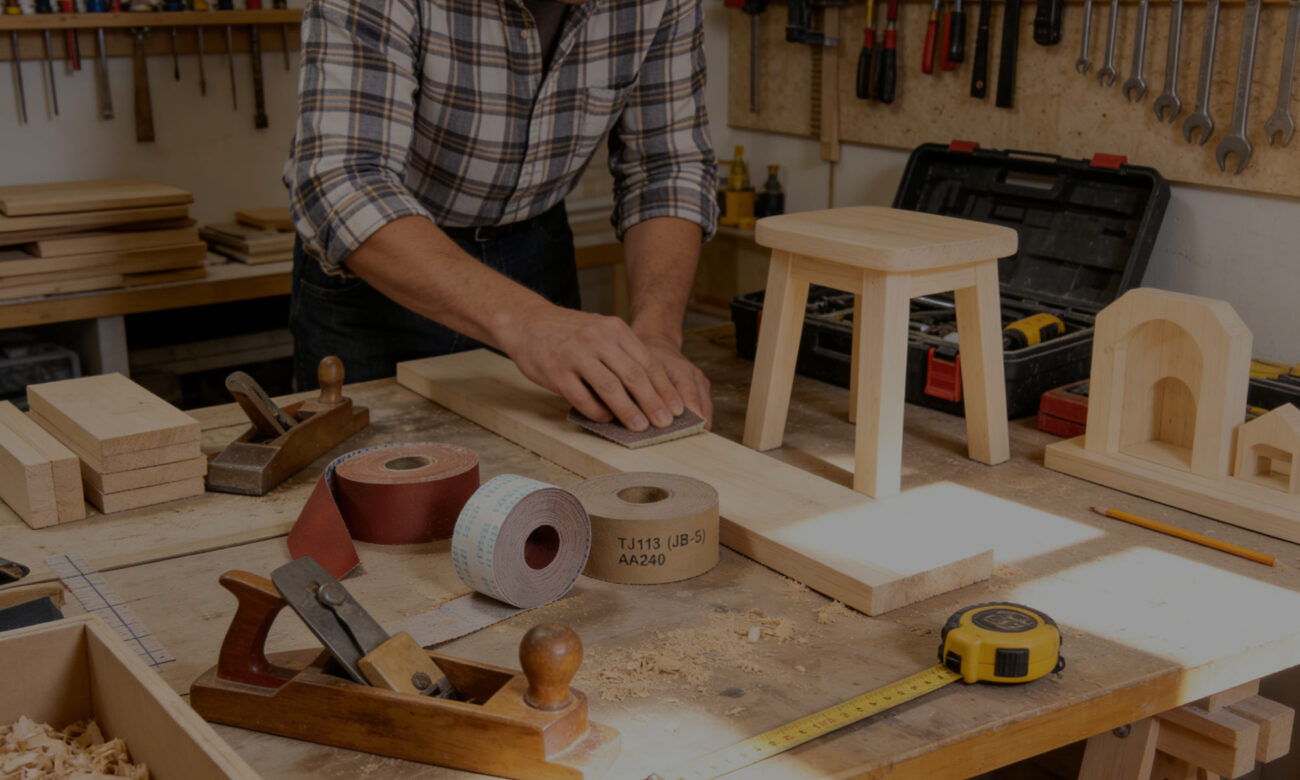
Sandpaper grit refers to the size of the abrasive particles bonded to the surface of the paper or cloth backing. These particles are responsible for removing material. The grit number tells you how aggressive or how fine the sanding action will be.
Lower grit numbers such as P40 or P60 contain large abrasive particles that remove material quickly. Higher numbers like P600 or P1000 contain extremely fine particles designed for smoothing and polishing rather than shaping.
Why Grit Choice Affects Everything
Every sanding scratch created by a coarse grit must later be removed by finer grits. Starting too fine wastes time. Starting too coarse and skipping steps leaves deep scratches that show through paint or stain. Following a proper grit progression produces consistent, professional-level results with less effort.
Complete Sandpaper Grit Chart (2026 Reference)
| Grit Range | Surface Character | Common Uses |
| P40–P60 | Very coarse | Heavy paint removal, rust stripping, rough shaping |
| P80–P120 | Coarse–medium | Flattening surfaces, smoothing rough wood |
| P150–P180 | Medium | General sanding, surface preparation |
| P240–P320 | Fine | Pre-paint or pre-stain smoothing |
| P400–P600 | Very fine | Removing micro-scratches |
| P800–P1000+ | Ultra fine | Polishing, high-gloss finishing |
Related posts
Cloth vs. Paper Sandpaper: Which Should You Use and When?

What is Sandpaper Grit? (Complete Guide 2026)
Our Picks for You
Recent Product Reviews
-
 P40–P1000 Sandpaper Roll Set 100mm(approx. 4inch), 5 Rolls
by Jacques
P40–P1000 Sandpaper Roll Set 100mm(approx. 4inch), 5 Rolls
by Jacques
-
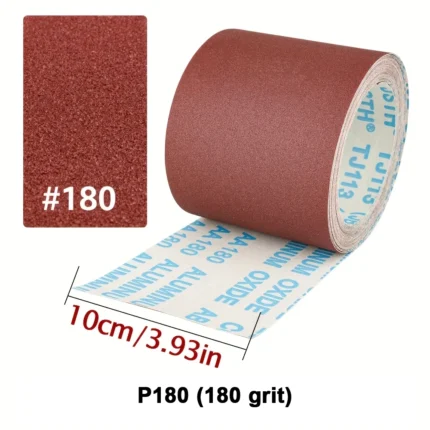 P180 Sandpaper Roll 100mm × 5m
by Jacques
P180 Sandpaper Roll 100mm × 5m
by Jacques
-
P150 Sandpaper Roll 100mm × 5m
by Keith Parker
-
P40 100mm Sandpaper Roll – 5m
by lalaxiari666
-
P60 100mm Sandpaper Roll – 5m
by Keith Parker
-
P40–P1000 Sandpaper Roll Set 100mm(approx. 4inch), 5 Rolls
by Gio
-
P40–P1000 Sandpaper Roll Set 100mm(approx. 4inch), 5 Rolls
by Liz
-
P40–P1000 Sandpaper Roll Set 100mm(approx. 4inch), 5 Rolls
by Luca
-
P40–P1000 Sandpaper Roll Set 100mm(approx. 4inch), 5 Rolls
by Colin Murray
-
P40–P1000 Sandpaper Roll Set 100mm(approx. 4inch), 5 Rolls
by John Penny
 EN
EN  DE
DE  FR
FR  ES
ES