Free Shipping • 30-Day Returns • Secure Checkout

If you shop for sanding discs, you’ll notice that not all of them are built the same
Some use a paper backing. Others use a film backing. At first glance, that may not seem like a big difference. But once you start sanding, the backing can affect how the disc feels, how long it lasts, and how clean the finish looks.
What Is a Film Sanding Disc?
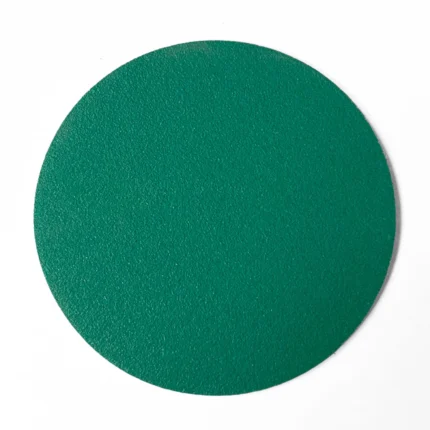
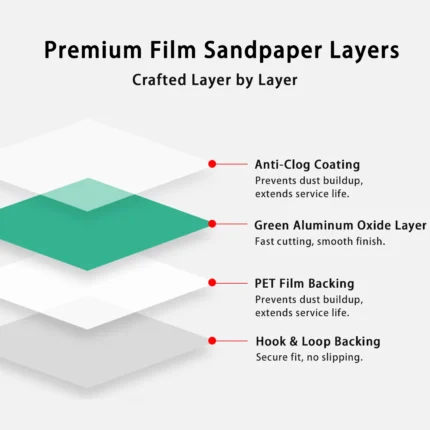
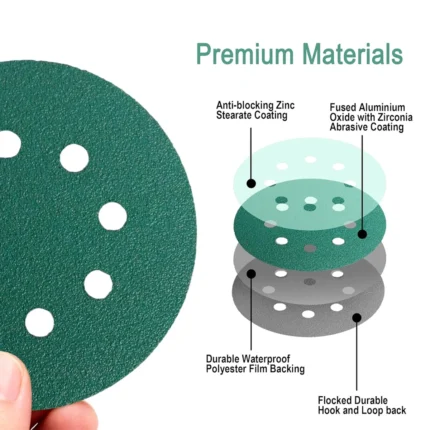
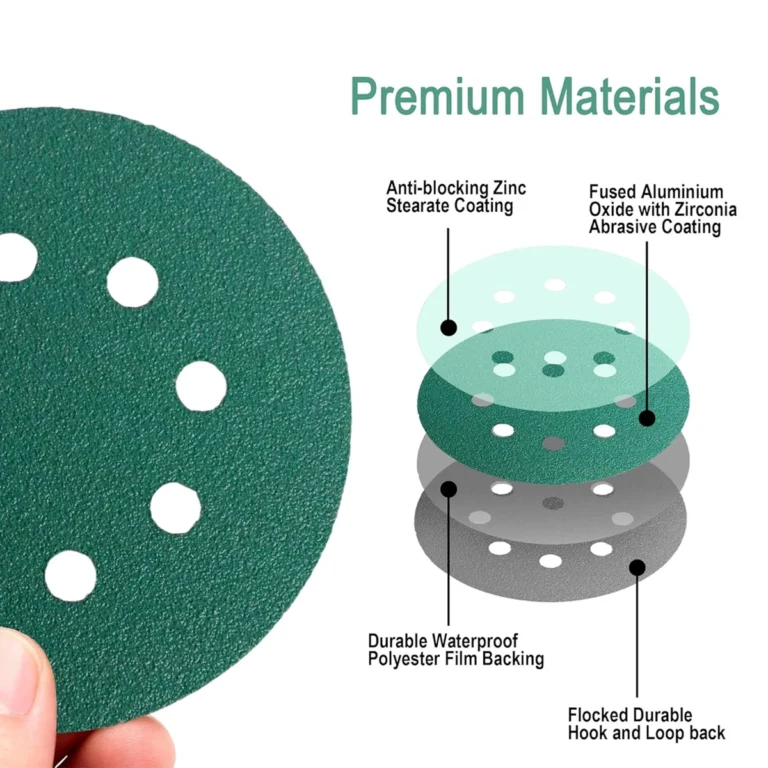
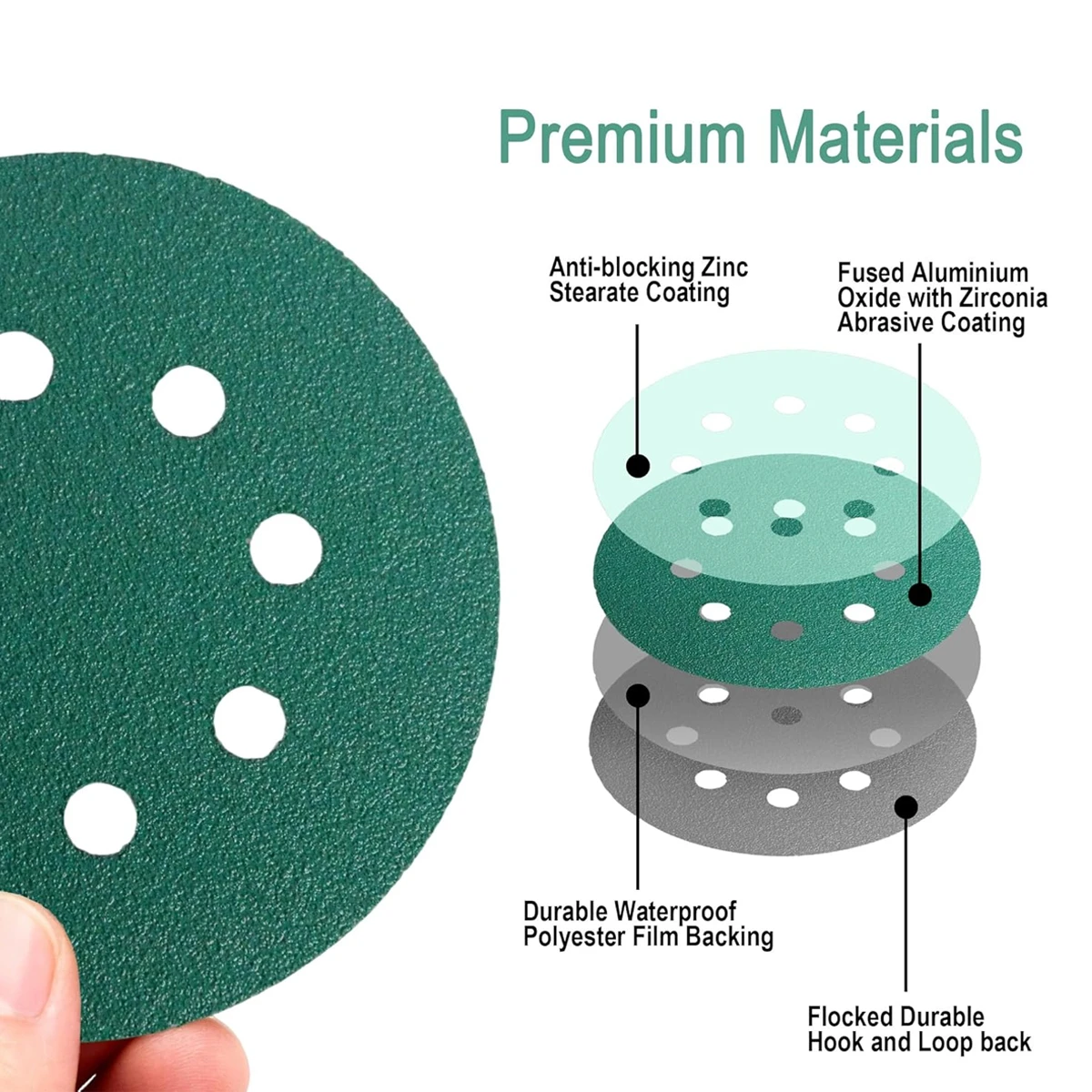
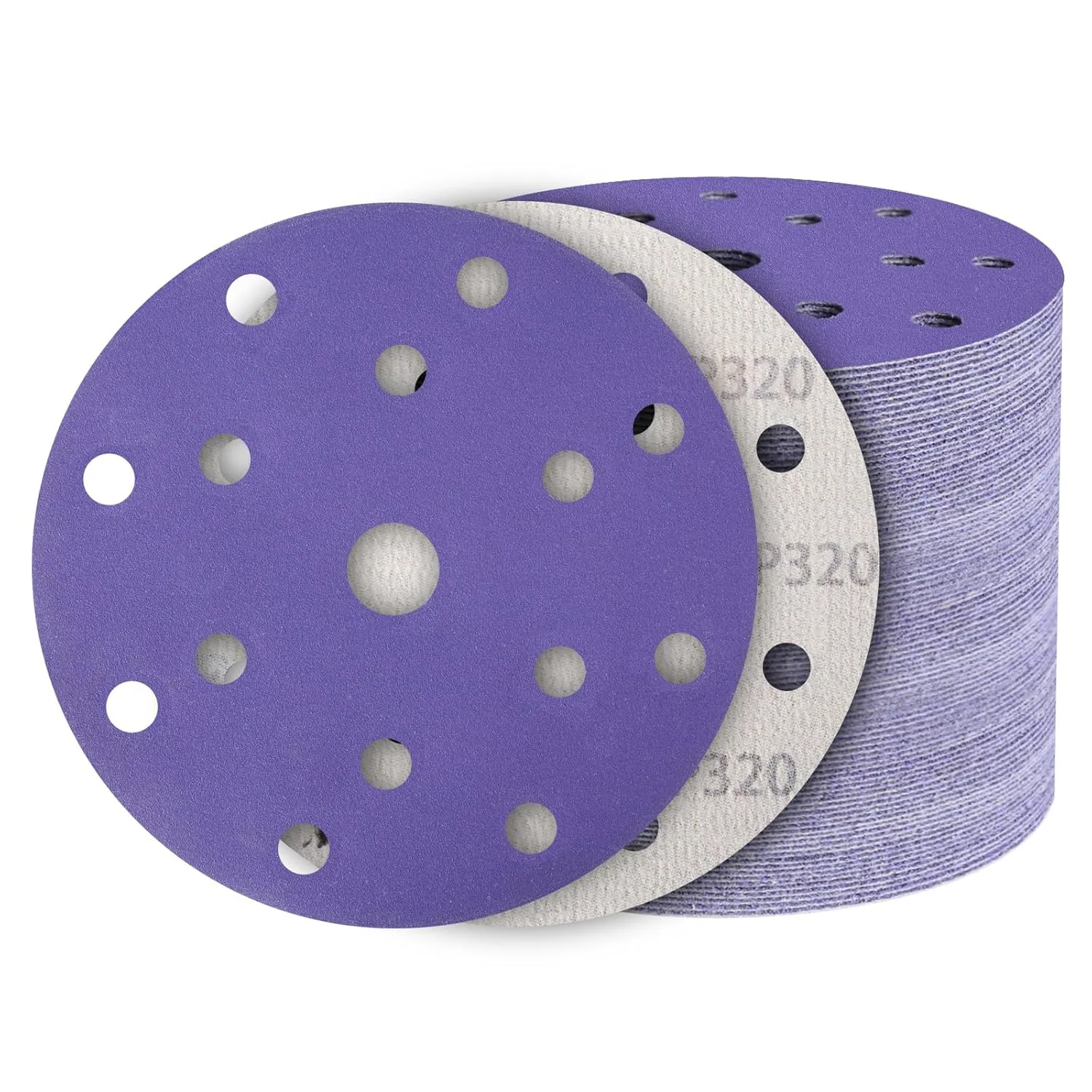
A film sanding disc is a sanding disc made with a thin, durable film backing, usually polyester film. Instead of paper, the abrasive grain is attached to a flexible plastic film layer.
That simple change makes a difference. Film discs are usually more tear-resistant, stay flatter during sanding, and hold up better when the job gets more demanding.
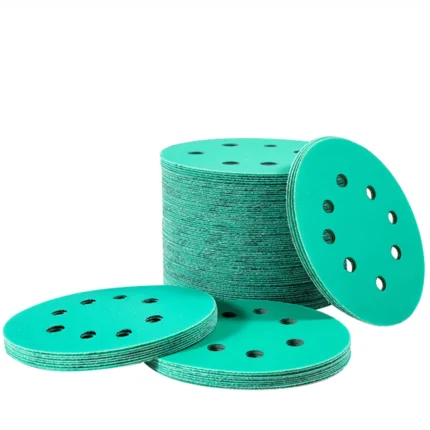
For 5-inch and 6-inch random orbital sanders, film sanding discs are especially useful when you want smoother results and more consistent performance.
How Is Film Different from Paper Backing?
Paper-backed sanding discs are still very common. They are usually cheaper and work fine for many basic sanding jobs. If you’re doing rough sanding or just need something simple, paper discs can still get the job done.
Film-backed discs, on the other hand, are made for better stability and durability. In general:
- Film backing is more tear-resistant
- Film backing stays flatter on the surface
- Film backing is better for fine finishing
- Paper backing is usually lower cost
- Paper backing is fine for general sanding and heavier removal
That doesn’t mean paper discs are bad. It just means they’re better for different kinds of work.
Why Should You Care About the Backing?
Because the backing changes how the disc performs.
If you sand wood, metal, primer, filler, or painted surfaces, you’ll notice the difference in:
how often you need to change discs
whether the disc tears at the edges
how even the finish looks
how much control you have while sanding
how consistent the whole job feels
In other words, the backing is not just a technical detail. It can affect the final result.
Why Should You Care About the Backing?
Because the backing changes how the disc performs.
If you sand wood, metal, primer, filler, or painted surfaces, you’ll notice the difference in:
- how often you need to change discs
- whether the disc tears at the edges
- how even the finish looks
- how much control you have while sanding
- how consistent the whole job feels
In other words, the backing is not just a technical detail. It can affect the final result.
When Should You Choose Film Sanding Discs?
Film sanding discs are a great choice when you want cleaner, smoother, more controlled results.
They are often a good fit for:
- final finishing on wood
- sanding between coats
- surface prep before paint or stain
- auto body primer prep
- furniture and cabinet work
- light metal finishing
- any job where consistency matters
If you want a more professional-looking finish, film discs are often the better choice.
When Are Paper-Backed Discs Enough?
Paper-backed discs are still useful in many situations.
They can be a good choice for:
- rough sanding
- heavy material removal
- budget-focused jobs
- basic general-purpose sanding
- projects where finish quality is not the top priority
If you’re stripping old material or doing coarse prep work, paper discs may be enough. But if you want smoother results and better durability, film discs usually have the edge.
Film Sanding Discs on 5″ and 6″ Sanders
Film sanding discs are especially popular on 5-inch and 6-inch random orbital sanders because these tools are often used for finishing and surface prep.
When you’re working on a 5″ or 6″ sander, a disc that stays flatter and resists tearing can make the sanding process feel smoother and more controlled.
At Abraline, our 5-inch and 6-inch film sanding discs are designed for woodworking, auto body work, and other professional sanding tasks.
Quick Buying Guide: Film or Paper?
Choose film sanding discs if you want:
- better tear resistance
- smoother finishing
- more consistent sanding
- longer disc life
- a cleaner, more professional result
Choose paper-backed discs if you want:
- lower cost
- simple general-purpose sanding
- good results for rough or coarse work
- a basic option for everyday tasks
Final Thoughts
So, what is a film sanding disc, and why should you care?
Because the backing affects how the disc performs. If you want smoother results, better durability, and more consistent sanding, film is worth paying attention to.
For many finishing jobs, especially on 5-inch and 6-inch random orbital sanders, film sanding discs can make sanding easier, cleaner, and more efficient.
If you’re not sure where to start, try a film disc on your next finishing job and see the difference for yourself.
Shop Film Sanding Discs
Related posts
Best Sanding Discs for Woodworking: What Should You Use?

If you work with wood, you already know that sanding is one of the most important parts of the job. Whether you’re building furniture, ...
Understanding Sandpaper Grit Numbers: What Do They Actually Mean?
Let’s talk about sandpaper grit numbers—because once you truly understand them, sanding becomes much easier.
I get this question a l...
Best Sanding Discs for Woodworking: What Should You Use?
5 Inch Mesh Sanding Discs6 Inch Mesh Sanding Discs
Film Sanding Discs vs Paper Sanding Discs: What’s the Difference, and Is It Worth Switching?
Film sanding discs are a great choice when you want cleaner, smoother, more controlled results. They are often a good
Understanding Sandpaper Grit Numbers: What Do They Actually Mean?
Let’s talk about sandpaper grit numbers—because once you truly understand them, sanding becomes much easier. I get this question a