Free Shipping • 30-Day Returns • Secure Checkout

Let’s talk about sandpaper grit numbers—because once you truly understand them, sanding becomes much easier.
I get this question a lot: “Is 120 grit twice as rough as 60?” or “Why does 400 feel so different from 180?” The numbers look confusing, but they’re actually straightforward.
Simply put: the grit number tells you how big the abrasive particles are.
- Smaller number = bigger particles = more aggressive cutting
- Bigger number = smaller particles = smoother finish
Coarse Grit (40–60)
When you see 40 or 60 grit, think heavy removal.
This range is used for removing old paint, thick coatings, rust, or leveling rough wood. It cuts fast and removes material aggressively.
But it’s not for finishing. It will leave visible scratches.
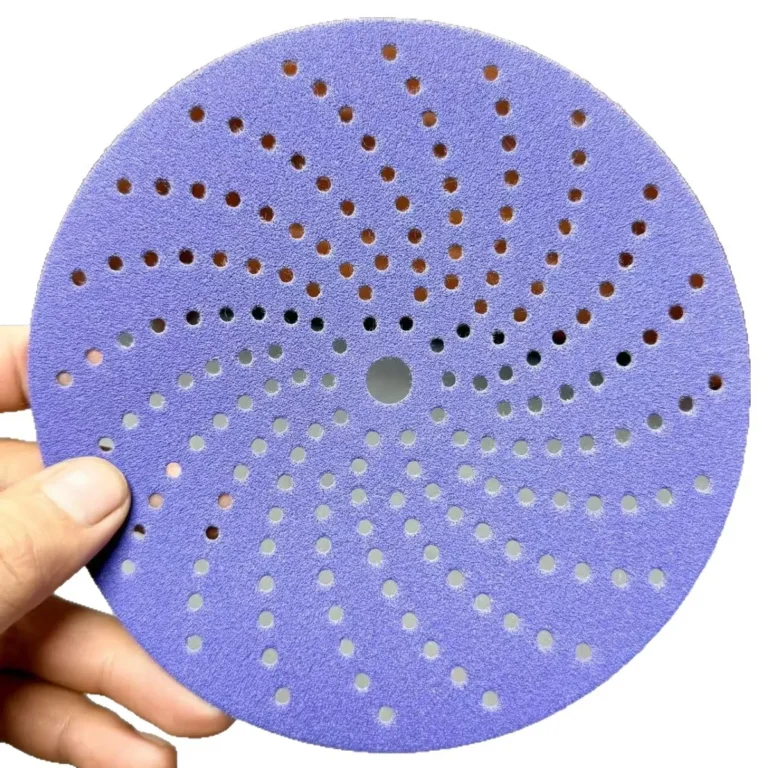
For demanding jobs like hardwood or metal, I usually recommend ceramic abrasives.
Ceramic cuts faster, stays sharp longer, and handles pressure better.
If efficiency matters, ceramic makes a real difference.
Medium Grit (80–120)
This is where most practical sanding happens.
80 or 100 grit works well for initial sanding on relatively smooth wood.
120 grit is ideal for refining after coarse sanding.
At this stage, you’re removing the deeper scratches and preparing the surface for finishing.
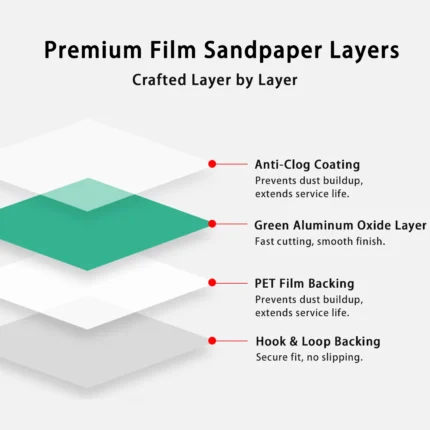
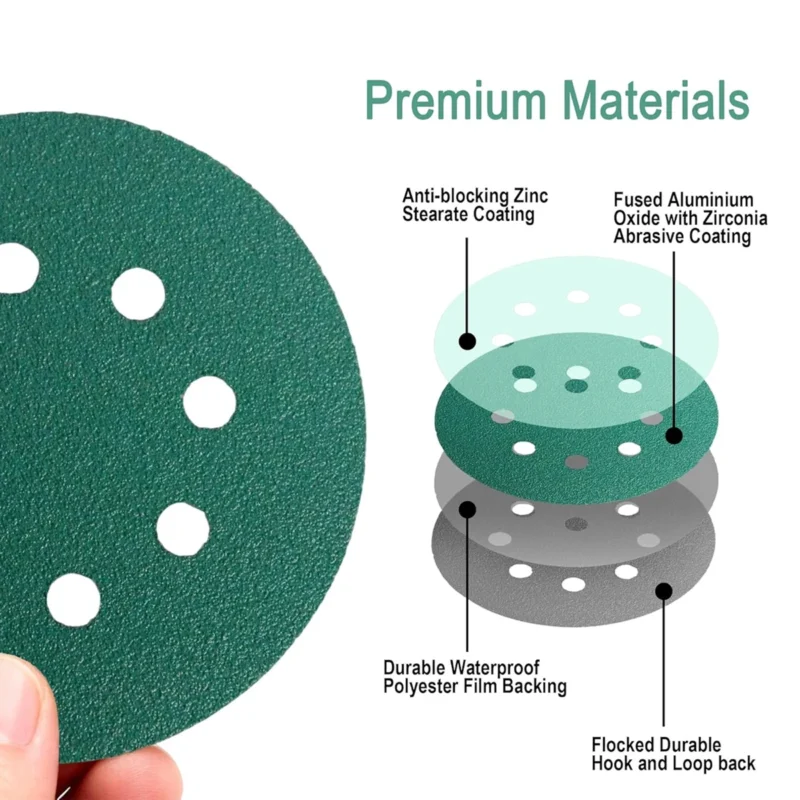
For better scratch consistency and durability, I personally prefer film-backed abrasives here.
Film backing is more stable than paper, which gives:
- More uniform scratch patterns
- Longer lifespan
- Better edge durability
If you care about surface consistency, film is a smart upgrade.
Fine Grit (150–180)
This is where the surface starts to feel smooth.
150 and 180 grit are commonly used before staining or painting.
You’re no longer shaping the material—you’re refining it.
One common mistake is skipping steps, like jumping from 80 directly to 180.
The deeper scratches won’t disappear unless you transition gradually.
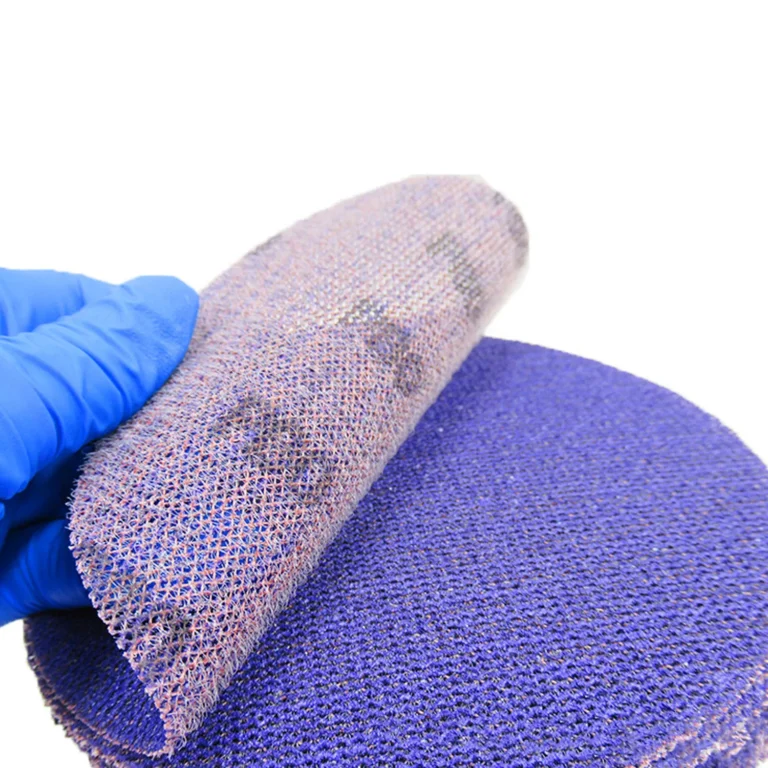
For curved surfaces, fillers, or dust-sensitive work, I often suggest mesh abrasives.
Mesh structure allows dust to pass through, which reduces clogging and improves efficiency.
If dust control matters to you, mesh is very practical.
Very Fine Grit (240–400)
240 is often used as a final sanding step before finishing.
320 and 400 are commonly used between coats of primer, lacquer, or polyurethane.
Here, you’re not removing material—you’re refining tiny surface imperfections.
For high-quality finishing work, film abrasives perform especially well in this range.
They provide very controlled and consistent scratch patterns.
If the goal is a clean and refined surface, film is a strong recommendation.
600 and Above
600, 800, and higher grits are typically used for polishing, automotive refinishing, and high-gloss surfaces.
At this level, it’s more about polishing than sanding.
Consistency and surface clarity are key here.
Choosing the Right Product
Grit number is only half the story. The abrasive type matters just as much.
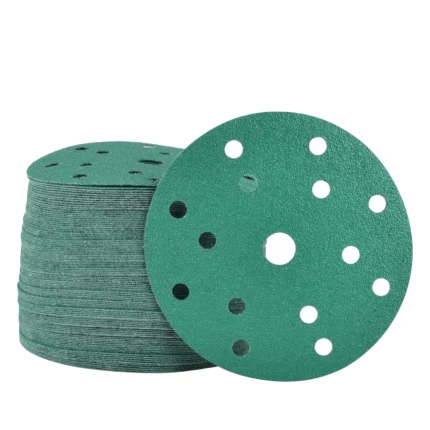
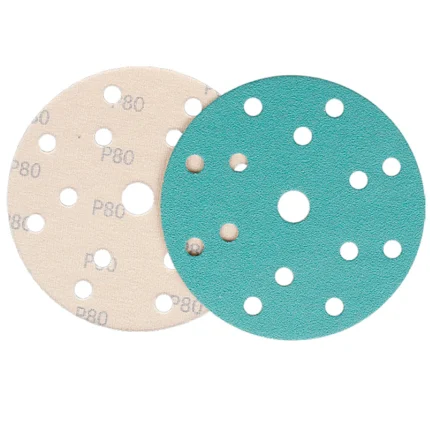
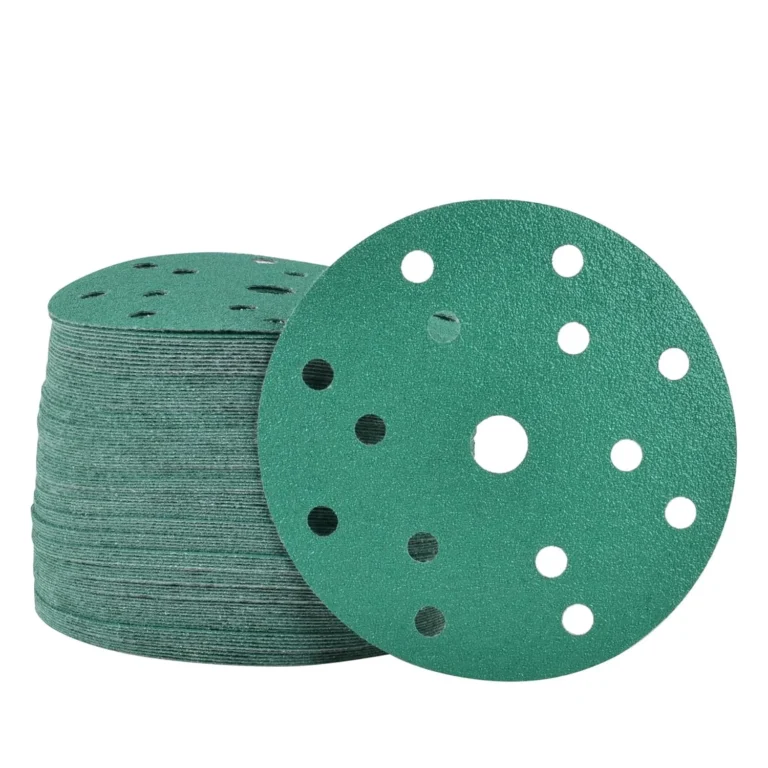
Film Abrasives
Best for fine finishing and surface consistency.
Stable backing, long life, very uniform scratches.
Ideal for professional finishing work.
Ceramic Abrasives
Best for heavy removal and high-pressure applications.
Extremely sharp, self-sharpening, high efficiency.
Perfect for hardwood and metal.
Mesh Abrasives
Best for dust control and filler sanding.
Excellent dust extraction, minimal clogging.
Great for drywall, putty, and curved surfaces.
Start as coarse as necessary, then move up step by step. Choose ceramic for power, film for precision, and mesh for dust control.
When you match the right grit with the right product, sanding becomes efficient, controlled, and professional.
And honestly, that’s what makes the real difference.
Related posts
Best Sanding Discs for Woodworking: What Should You Use?

If you work with wood, you already know that sanding is one of the most important parts of the job. Whether you’re building furniture, ...
Film Sanding Discs vs Paper Sanding Discs: What’s the Difference, and Is It Worth Switching?
If you shop for sanding discs, you’ll notice that not all of them are built the same
Some use a paper backing. Others use a film bac...
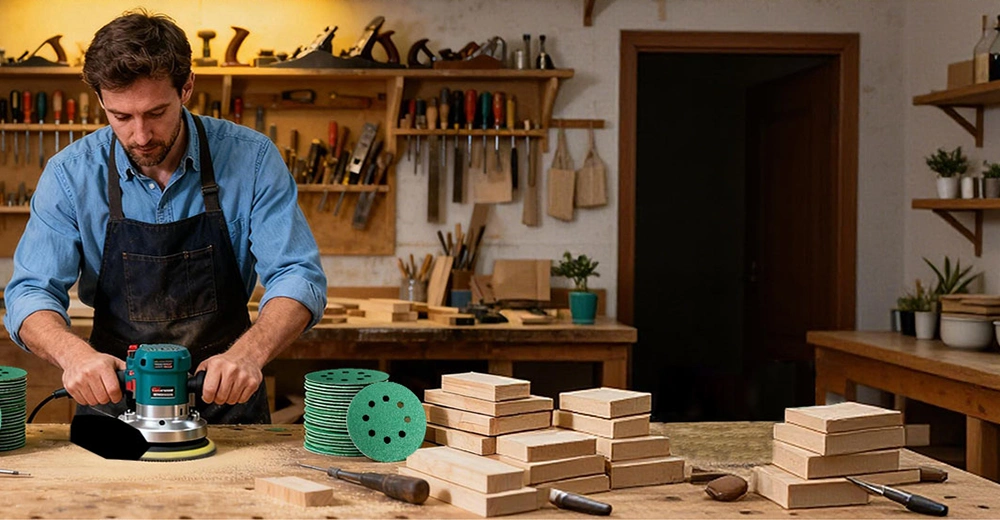
Best Sanding Discs for Woodworking: What Should You Use?
5 Inch Mesh Sanding Discs6 Inch Mesh Sanding Discs
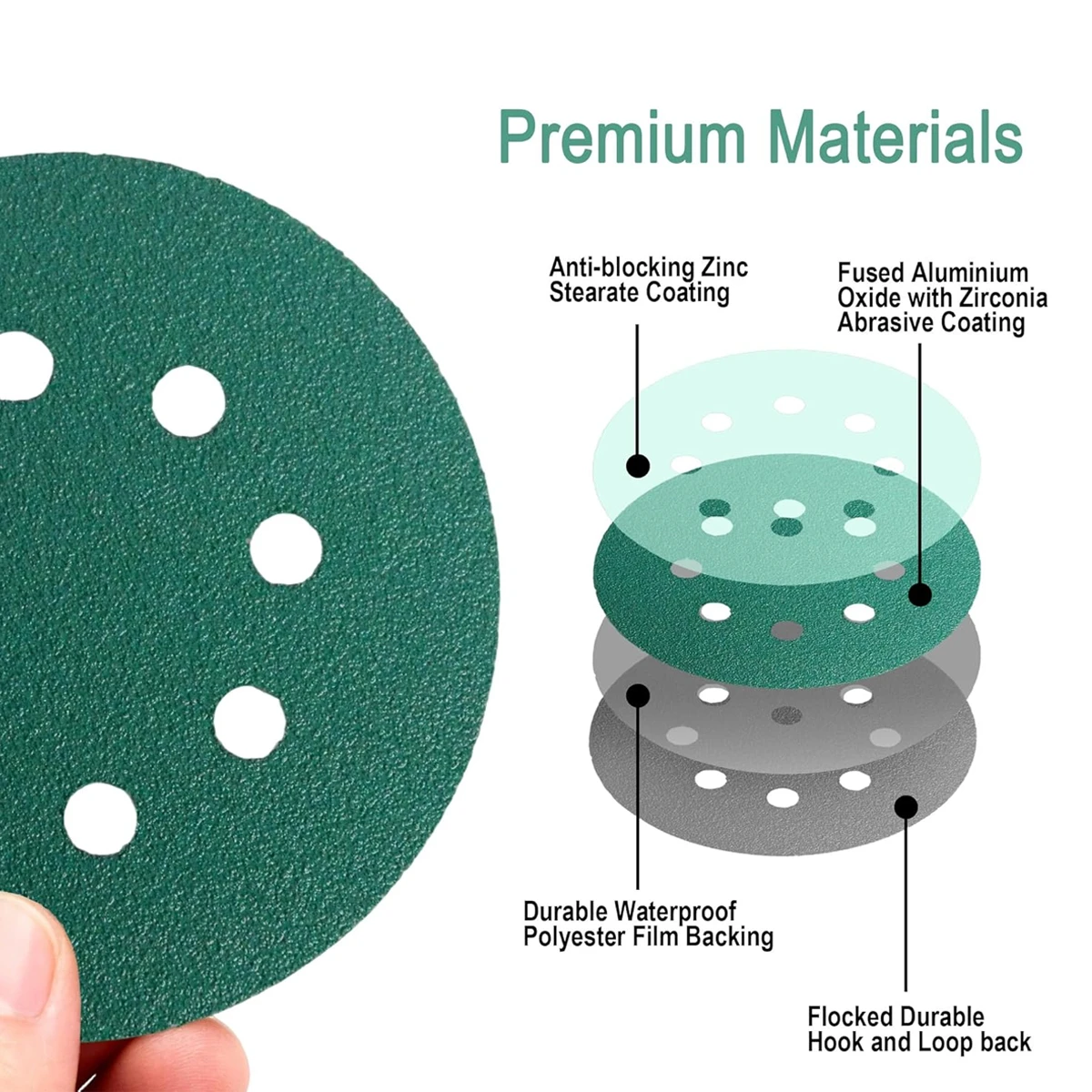
Film Sanding Discs vs Paper Sanding Discs: What’s the Difference, and Is It Worth Switching?
Film sanding discs are a great choice when you want cleaner, smoother, more controlled results. They are often a good
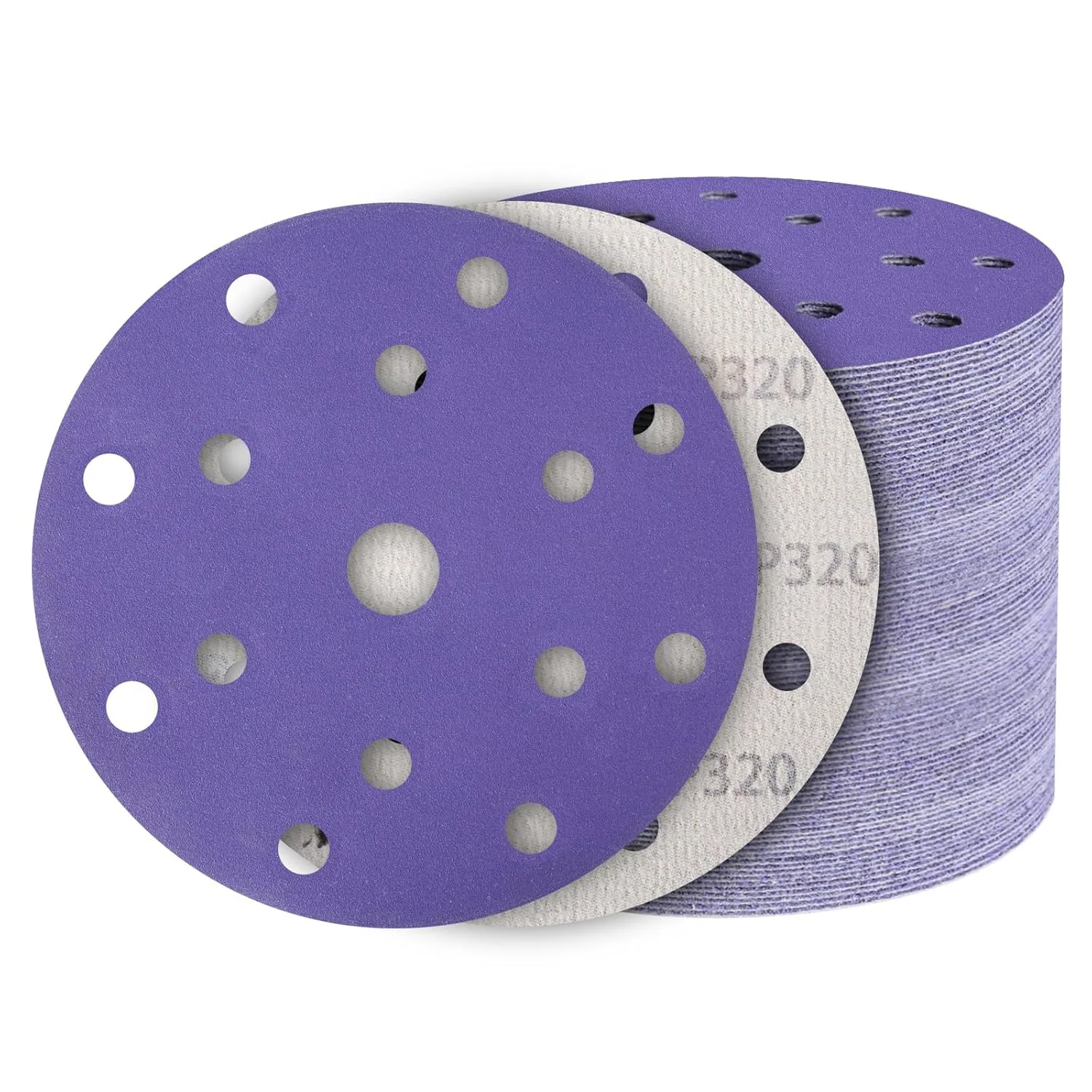
Understanding Sandpaper Grit Numbers: What Do They Actually Mean?
Let’s talk about sandpaper grit numbers—because once you truly understand them, sanding becomes much easier. I get this question a